Most Kenyan conservancies host several camps sharing the same land. Namunyak Wildlife Conservancy does not. Across all 850,000 acres of the Matthews Range in Samburu County, exactly one camp operates: Sarara. That single-camp arrangement is not a marketing line. It shapes how many vehicles you meet on a game drive. The setup also shapes how the fees you pay reach the community that owns the land. Touring Insights breaks down what makes Sarara Camp different, with the real numbers behind the claim.
What Makes Namunyak a One-Camp Conservancy
Namunyak Wildlife Conservancy was formally established in 1995. Two decades of heavy poaching had emptied the Matthews Range of much of its wildlife before that. Around 1,200 registered Samburu families came together to stop the losses. They chose to build an income from tourism instead. A democratically elected Board of Trustees now governs the conservancy. The Northern Rangelands Trust, the umbrella body coordinating community conservancies across northern Kenya, supports that board.
That governance structure explains the single-camp model. The Trust chose not to lease plots to multiple operators. It partnered exclusively with Sarara instead. Bed-night fees and lease payments now flow directly back into conservancy jobs, schools, and anti-poaching scouts. Fewer camps means lower guest density across a huge landscape. It also means a tighter link between what you pay and who benefits.
Inside Sarara Camp: Tents, Suites, and the Waterhole
Sarara sits at roughly 800 meters elevation on the slopes of the Matthews Range, looking out over open bushland that runs unbroken for miles. The camp is deliberately small.
| Sarara Camp facts | Detail |
|---|---|
| Total guest tents | 6 en-suite canvas tents, 2 interconnected as a family unit |
| Private villa | Sarara House, 2 bedrooms, private plunge pool and dining |
| Elevation | Approx. 800 meters above sea level |
| Power | Off-grid solar with battery storage, no generator noise |
| Water source | Piped mountain spring water |
| Signature feature | Permanent waterhole beside the dining area and infinity pool |
| Conservancy size | 850,000 acres (approx. 3,440 km2) |
| Year conservancy established | 1995 |
Camp life centers on that waterhole. Elephants, kudu, and buffalo drink within sight of the dining tables through the day and into the evening, so the wildlife-watching does not stop when the game drive ends. Sarara House operates as a private buyout for families or small groups who want the camp’s activities without sharing common areas with other guests.
How Sarara Runs Off-Grid
Namunyak’s remote location forced Sarara to solve its own power and water supply. This happened long before “sustainable safari camp” became a marketing phrase. The camp runs entirely on solar power backed by Tesla Powerwall battery storage. Tents and communal areas keep power through the night without a diesel generator. Drinking and shower water comes from a piped mountain spring rather than a borehole. The camp has also removed single-use plastics from guest areas, down to the water bottles left in tents. Kitchen produce comes from the conservancy’s own small-scale farms where possible. That choice keeps more of the camp’s spending inside the community, rather than flowing back to Nairobi suppliers.
None of this shows up in a photo of a canvas tent. It matters, though, for a conservancy that depends on tourism income to fund its own anti-poaching scouts and schools. Lower running costs and fewer outside supply trips keep more of each guest’s spending inside Namunyak.
Wildlife on Namunyak’s 850,000 Acres
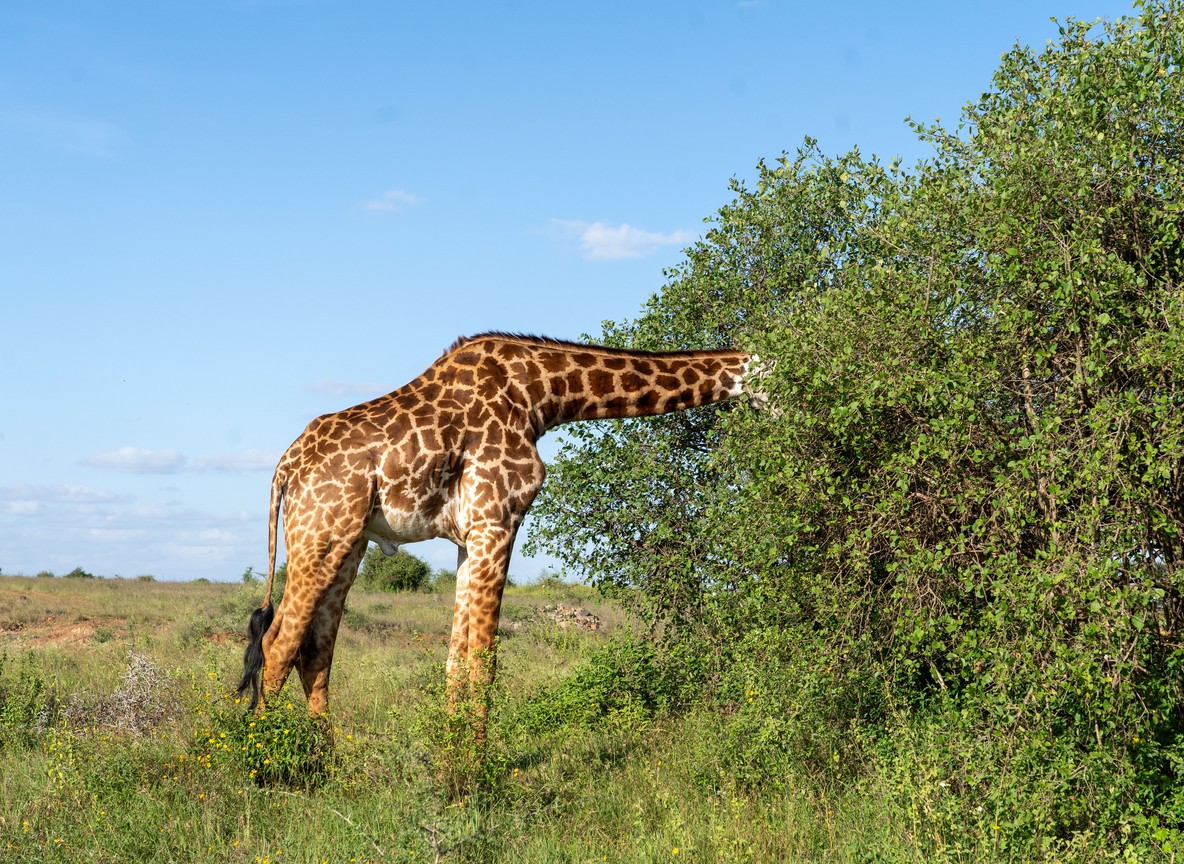
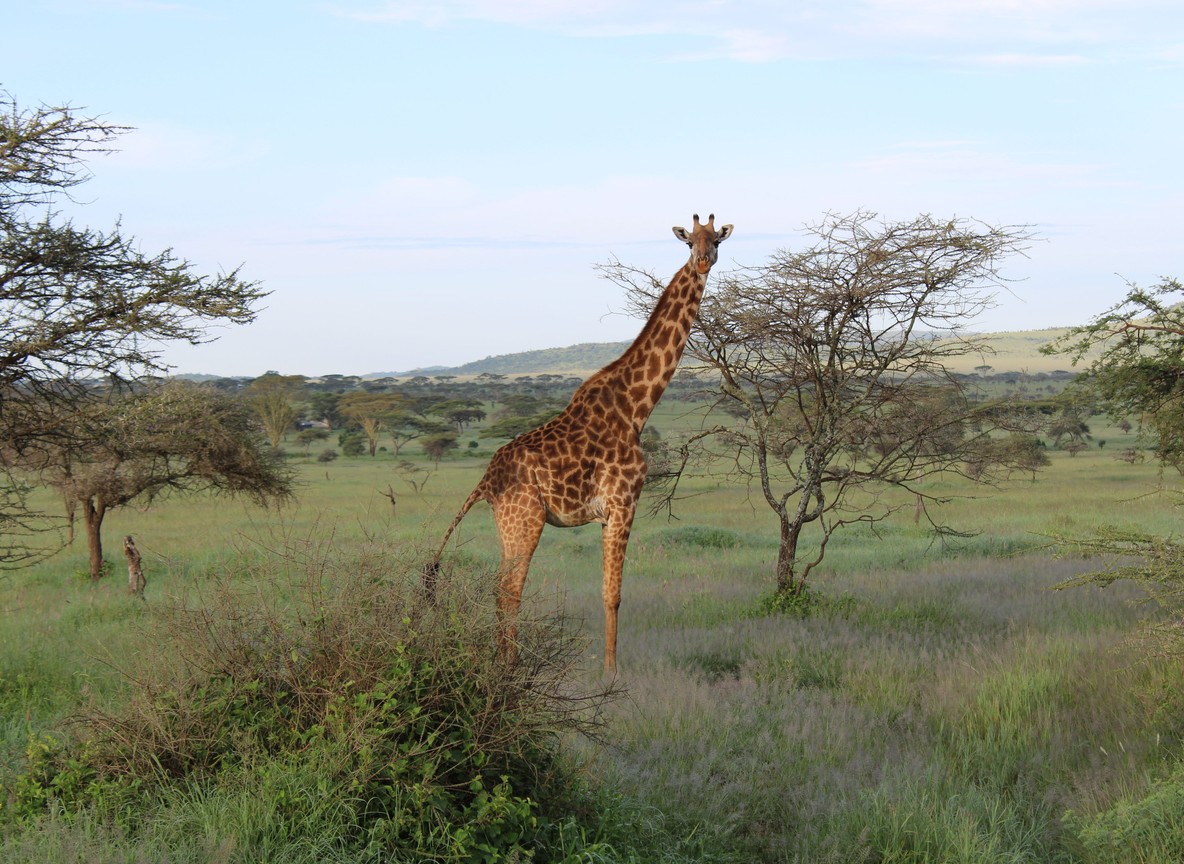
Namunyak protects what conservationists describe as Kenya’s second-largest elephant population outside a national park. Reticulated giraffe, Grevy’s zebra, African wild dogs, and greater and lesser kudu also live here. Because the conservancy is not a national reserve, activities go beyond the standard game drive. Walking safaris, night drives, and horseback outings with resident camp horses are all part of a Sarara stay. Kenya Wildlife Service rules do not permit any of these inside a national park or most national reserves.
Reteti Elephant Sanctuary: 45 Minutes From Camp
A 45-minute drive from Sarara sits Reteti Elephant Sanctuary, the first community-owned and community-run elephant sanctuary in Africa. Samburu keepers hand-raise orphaned and abandoned elephant calves here before releasing them back into Namunyak. A standard visit, including watching the keepers bottle-feed the herd, is built into most Sarara stays rather than sold as a separate excursion.
The Singing Wells: A Living Samburu Tradition
Sarara is also one of the few camps positioned to reach the singing wells. These are hand-dug wells where Samburu herders lower buckets on ropes and sing rhythmic chants to call cattle and camels to drink. It is a working pastoral tradition, not a staged show. The wells run on the community’s schedule rather than a fixed tour time. Ask at check-in whether a visit is possible during your stay.
Getting to Sarara Camp: Flights, Roads, and Real Distances
Namunyak’s remoteness is part of its appeal and its main planning challenge. Almost every guest arrives by air rather than road.
| Route | Distance / duration | Indicative cost |
|---|---|---|
| Nairobi (Wilson Airport) to Kalama airstrip, scheduled flight | Approx. 90 minutes | Included in most fly-in packages |
| Kalama airstrip to Sarara Camp, road transfer | Approx. 1.5 hours | Approx. USD 450 per vehicle, up to 4 passengers (indicative, confirm current rate) |
| Nairobi to Lewa airstrip, scheduled flight | Approx. 45-60 minutes | Included in most fly-in packages |
| Lewa airstrip to Sarara Camp, road transfer | Approx. 3.5 hours | Approx. USD 550 per vehicle, up to 4 passengers (indicative, confirm current rate) |
| Nairobi to Sarara by road (self-drive or private transfer) | Approx. 340-360 km to Wamba, then unpaved track | Approx. 7-8 hours total; flying is the recommended route |
| Private charter direct to Namunyak airstrip | Variable, from Nairobi or other safari circuits | Priced per charter, confirm with camp |
Namunyak charges no separate park gate fee the way Kenya Wildlife Service or county-run reserves do. Conservancy fees are bundled into Sarara’s all-inclusive nightly rate, which also covers meals, drinks, one horseback outing per guest, laundry, and the Reteti visit.
Sarara Camp vs a Samburu National Reserve Camp
Travelers often weigh a conservancy stay like Sarara against a camp inside Samburu National Reserve itself. The two experiences differ more than the shared “Samburu” name suggests.
| Feature | Sarara Camp (Namunyak Conservancy) | Elephant Bedroom Camp (Samburu National Reserve) |
|---|---|---|
| Land type | 850,000-acre community conservancy | 165 km2 county-run national reserve |
| Number of camps on the land | 1 (Sarara only) | Multiple camps and lodges share the reserve |
| Guest tents | 6 tents plus Sarara House | 14 tents |
| Entry/conservancy fee | Bundled into nightly rate, no separate gate fee | Approx. USD 80-85 per adult per day (indicative, confirm current rate) |
| Activities allowed | Walking safaris, night drives, horseback rides, cultural visits | Vehicle game drives only, daytime hours |
| Typical vehicle density at a sighting | Low, one-camp exclusivity | Higher, shared with other reserve camps |
Neither option is wrong. A reserve camp puts you closer to the Ewaso Nyiro River’s dense predator activity. Sarara’s conservancy setting trades some of that density for exclusivity, night access, and closer contact with the community managing the land.
Explorer Notes
Pack for temperature swings. Sarara’s 800-meter elevation keeps evenings cooler than the Samburu lowlands, so a fleece layer earns its space in the bag even in dry season. Ask your guide about the horseback safari early in your stay, not on the last morning. It is weather-dependent and books out fast when several guests request the same slot. Mention a Reteti visit or a singing wells outing at booking, not on arrival. Camp staff coordinate both around keeper feeding times and the community’s own schedule. A day or two of lead time gets you a better slot than a same-day request.
What to Read Next
- Get the fuller picture of the land Sarara sits on in our Namunyak Conservancy guide to culture, conservation, and Matthews Range routes.
- Planning the elephant sanctuary visit separately? Our Reteti Elephant Sanctuary guide covers visit ethics and itinerary timing.
- Weighing a reserve stay against a conservancy stay? See Masai Mara vs Samburu for how the tradeoffs play out elsewhere in Kenya.
FAQ
Is Sarara Camp really the only camp in Namunyak Conservancy? Yes. Namunyak’s 850,000 acres host one licensed tourism property, Sarara Camp, plus the standalone Sarara House villa on the same site. No other camp operates on conservancy land.
How many tents does Sarara Camp have? Six en-suite canvas tents, two of which interconnect as a family unit, plus the separate two-bedroom Sarara House for private buyouts.
How do I get to Sarara Camp from Nairobi? Most guests fly from Wilson Airport to Kalama airstrip, about 90 minutes, or to Lewa airstrip. A road transfer to camp follows either flight. Driving the full route takes 7-8 hours over rough track, so flying is the standard approach.
Does a Sarara stay include the Reteti Elephant Sanctuary? Yes. A standard Reteti visit, about 45 minutes from camp, is included in most Sarara stays rather than booked as an add-on.
What is different about wildlife activities at Sarara compared to Samburu National Reserve? Conservancy status allows walking safaris, night drives, and horseback outings. None of these are permitted inside the national reserve. Vehicle game drives during daylight hours are the only option there.
Sarara’s single-camp setup means availability is genuinely limited, not just marketed that way. Namunyak’s mix of exclusivity, community ownership, and Matthews Range scenery may fit your next trip. Our Tour Packages page can help you slot a Sarara stay into a wider northern Kenya itinerary alongside Samburu or Lewa.